April 1, 2026 Word for Word Media

Dr Cathryn Walton explains how astrocytomas, a type of brain cancer, develop and how they are treated.

Receiving a diagnosis of a brain tumour can be an overwhelming experience, filled with great anxiety and uncertainty of what now? One of the most common types is the astrocytoma; they form 50% of all brain tumours diagnosed.   What is an astrocytoma? An astrocytoma is a tumour that grows from brain cells called astrocytes; these are the cells in the brain that act as the dedicated support crew for the brain’s main cells, the nerve cells (neurons). Astrocytes are star-shaped cells…

April 1, 2026 Word for Word Media

Dr Romana Jassat explains tumour lysis syndrome and the treatment typically used to manage it.
Cancer therapies are evolving at a rapid pace. Modern therapies are now more powerful than ever before, targeting tumours with precision and often producing dramatic and impressive results. While we celebrate and marvel at the advancements in cancer care, we are often reminded of the double-edged nature of cancer therapy that physicians are faced with: the delicate balancing act between fighting cancer effectively and minimising the risk to those we treat. Tumour lysis syndrome (TLS) is an anticipated but serious side effect of…

April 1, 2026 Word for Word Media

Gavin Lee recounts the uphill battle of getting his medical scheme to fund his radical cystoprostatectomy.
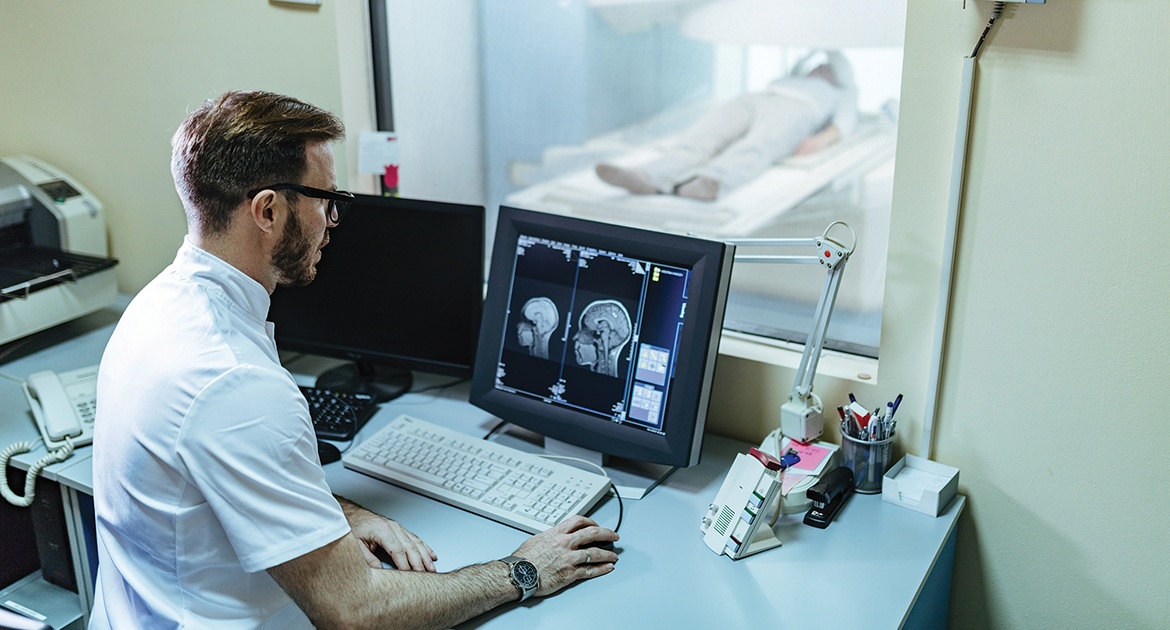
Gavin Lee (65) lives in Weltevreden Park, Gauteng with his wife. They have two sons and one grandson. In July 2025, Gavin noticed traces of blood in his urine; this prompted him to see his GP. A prostate-specific antigen (PSA) test was done and proved to be elevated and Gavin was referred to an oncologist. Here further imaging was done, and an MRI detected a tumour in his prostate as well as in his bladder. Biopsies were done on both which confirmed two primary cancers: Stage…

April 1, 2026 Word for Word Media

Dr Mia Hugo unpacks glioblastoma, the most common and aggressive form of primary brain cancers.

A lightning strike of a diagnosis GBMs can occur at any age, but most commonly in adults over the age of 65.  The majority of glioblastoma patients have no family history or identifiable risk factors. Some genetic syndromes like Li-Fraumeni syndrome may predispose patients to GBM (<1% of GBMs). Very rarely exposure to ionizing radiation as a result of radiation for childhood brain tumours or leukaemia may also be a risk factor for high-grade gliomas.ÂČ  The COSMOS epidemiological study showed no association…

April 1, 2026 Word for Word Media

Dr Margie Venter discusses one of the most effective tools for treating cancer pain: opioids.

Of all the things people tell me affect their quality of life, fatigue and pain are the big ones. Fatigue is tricky. As doctors, we often underestimate how much fatigue affects daily life. There is unfortunately nothing in a bottle that can be prescribed four times a day to magically fix it. It usually takes creativity, adaptation, and support to work around it. Pain, however, is almost always treatable. Sometimes it takes one or two attempts to find the right recipe, but in most cases we…

April 1, 2026 Word for Word Media

Dr Memory Bvochora-Nsingo reflects on artificial intelligence technology, trust, and the future of healing.
Recently, a new patient walked into my consultation room with quiet confidence.  She was accompanied by her elderly mother; a familiar sight, and a reminder that serious illness is rarely borne alone. As we began speaking, I noticed how prepared she was. Kefilwe asked thoughtful, direct questions about her diagnosis and demonstrated a surprising ease with medical language. She understood timelines, treatment pathways, and the decisions that might lie ahead. When she spoke, she looked directly into my eyes (attentive and present), yet every…

April 1, 2026 Word for Word Media

Bonni Suckling reflects on how removing a sentimental silver necklace became a quiet step forward in her ongoing journey with grief.

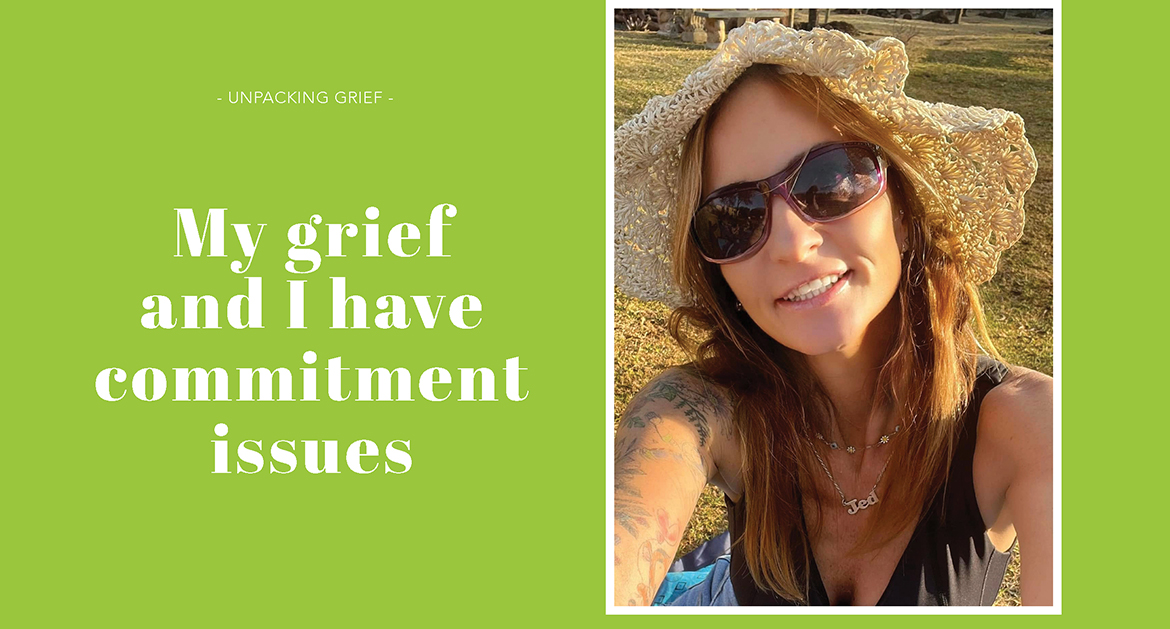
My grief and I have been in a long-term relationship. Fifteen years. At this point we should probably have matching tattoos and a joint savings account. But lately things have been tense between us. The current conflict started with a silver necklace. For fifteen years, my son’s name, Jed, has rested against my chest on a little silver chain. This name pendant that has seen things: hospital corridors, triathlons, marathons, and plenty of very ordinary days. It has…

April 1, 2026 Word for Word Media

Siré Oosthuizen radiates joy and an uplifting lightness as she explains why she felt perfectly fine when diagnosed with Stage 3 astrocytoma brain cancer.

SirĂ© Oosthuizen (29) lives in Alberton, Gauteng with her husband. The majority of Siré’s primary school years, she suffered with migraines, so she would always have a migraine kit with her to manage them. Thankfully, the migraines stopped during high school.  It was in her first year of varsity that she started getting headaches again. At first, she thought it was due to studying and the strain on her eyes, so she went…

April 1, 2026 Word for Word Media

Dr Lara Greenstein and Dr Garrick Laudin highlight the key factors for caring for older adults with cancer.

People are living longer and are therefore more likely to live with cancer for longer or be diagnosed and treated at an older age. Cancer care isn’t solely about treating the malignancy itself, but rather caring about the whole person and ensuring that you’re fit enough to tolerate therapy and recover from side effects.  Chronological age alone shouldn’t decide cancer treatment. Many older adults are strong and independent, while others have a reduced physiological reserve known as frailty. This means that an illness,…

April 1, 2026 Word for Word Media

Dr Dimitri Liakos explains the surgical options for tongue reconstruction.
The tongue plays an essential role in everyday life. This highly mobile muscle in the mouth allows you to speak, chew, and swallow your food; important functions of everyday life. But the tongue has so many more intricate functions. It allows you to taste your food, whether sweet or sour. It allows propulsion of food down the throat at the same time as it blocks the airways to prevent aspiration. Anatomically it’s made up of highly-specialised muscles and taste buds, making the anterior surface of the tongue feel somewhat…

April 1, 2026 Word for Word Media

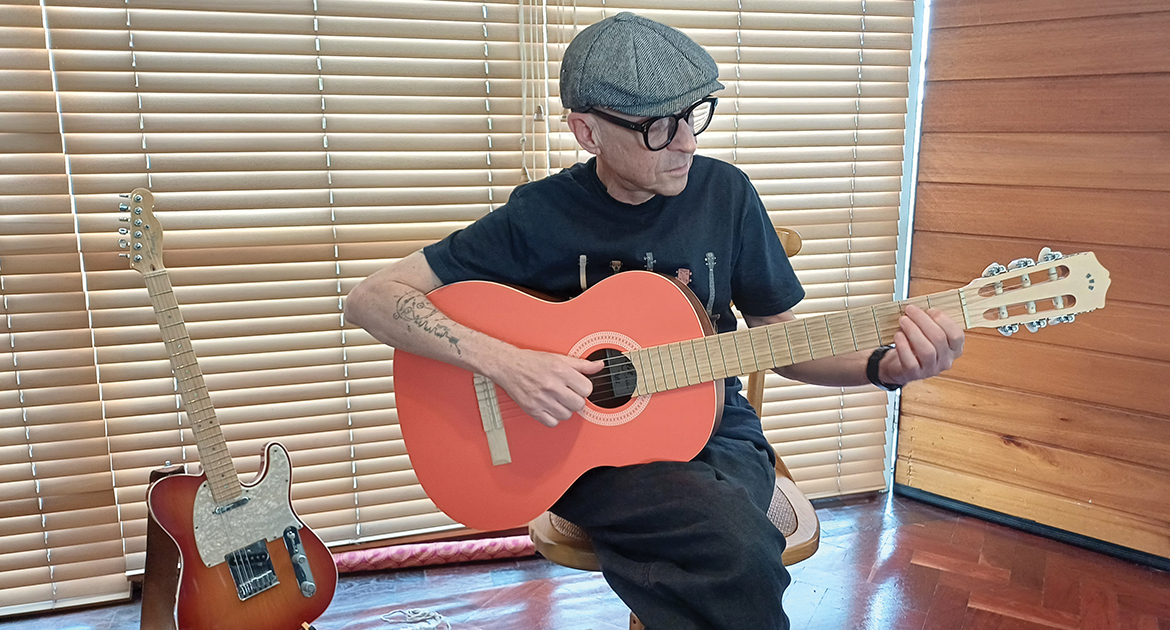
Graeme Sacks shares how music has been his healing companion through years of living with Hodgkin lymphoma.

Graeme Sacks (57) lives in Johannesburg, Gauteng with his wife. Music is a big part of Graeme’s life; he had a successful career as a professional musician until he was diagnosed with Hodgkin lymphoma (HL) in 2012. However, the song didn’t end there. Throughout the 13 years of relapses and new treatment regimens, music was a constant which instilled calm, gave him hope, and helped his healing process. This prompted him to return to university, in 2017, and complete a…

April 1, 2026 Word for Word Media

Dr Jasmine Ramiah eases the distress of experiencing bone pain after receiving a granulocyte colony-stimulating factor (G-CSF) injection.

Granulocyte colony-stimulating factor (G-CSF) is one of oncology’s silent yet impactful heroes. There are several indications and whether used after chemotherapy or for stem cell mobilisation, G-CSF significantly reduces the risk of febrile neutropenia (fever and low neutrophil count) or termed neutropenic sepsis by stimulating the bone marrow to produce neutrophils. There are, however, unwarranted uncomfortable side effect profiles which include bone pain. What is G-CSF? G-CSF is a haematopoietic growth factor implicated in proliferation and differentiation of neutrophil precursors in the bone marrow….