June 5, 2026 Word for Word Media

Dr Andrew Robson highlights what humans can learn from how animals adapt to physical limitations.

Short on time? Listen to the audio version of this article here, or by using your favourite podcast player

In veterinary practice, physical limitation is common. Limb loss, chronic pain or neurological disease aren’t rare events. What’s striking, however, isn’t  the injury itself, but how quickly animals adjust. A dog undergoes an amputation and is walking within days. A cat loses  its vision and continues to navigate its home with minimal disruption. These animals aren’t recovering in the…

April 1, 2026 Word for Word Media

Dr Andrew Robson shares insight on compensation in sick dogs, which highlights how important early detection is.

Animals are masters of adaptation In veterinary medicine, the term compensation is often used. The quiet ways animals adjust long before disease becomes obvious. A dog developing arthritis doesn’t wake up one morning suddenly lame. Instead, the signs build gradually. They hesitate before jumping into the car. They sleep a little more. They avoid stairs. They become slower. Yet when the diagnosis is made, owners often say, “But it happened so quickly.”  In reality, it didn’t. The disease had been…

February 3, 2026 Word for Word Media

Dr Andrew Robson describes the lessons learnt from creating stress-free spaces for animals that humans should follow.

Short on time? Listen to the audio version of this article here, or by using your favourite podcast player

Across species, one truth remains consistent: healing is deeply influenced by the environment in which it occurs. In veterinary medicine, creating stress-free spaces for animals is not viewed as an optional comfort, it’s an essential part of care. Animals often show us that safety and calmness are prerequisites for recovery. These same principles apply just…

December 1, 2025 Word for Word Media

Dr Andrew Robson unpacks how smart science and smarter tech are changing the game as cancer fighters.

You can listen to this article below, or by using your favourite podcast player at pod.link/oncologybuddies

The body’s inherent ability to recognise and destroy cancer cells is a fascinating topic albeit exceptionally complicated. We have touched on this before where we discussed the unique ways animals have evolved to be resistant and, in some cases, even immune to cancer.  Yet, in both humans and animals, cancer often finds ways to fight back and hide in plain sight. Modern medicine is learning how to…

October 1, 2025 Word for Word Media

Dr Andrew Robson sheds light on how environmental carcinogens not only affects humans but companion animals too.

You can listen to this article below, or by using your favourite podcast player at pod.link/oncologybuddies

As a veterinarian in SA, I have studied, observed, and treated many animals whose illnesses were not caused by bacteria, viruses, or injury, but by the environments they live in. Cancer is not just a human disease, and our companion animals can act as canaries in the coal mine when it comes to environmental carcinogens. Studying these cases offers valuable insights into human…

August 4, 2025 Word for Word Media

Dr Andrew Robson discusses the moral implications of using animals in studies primarily benefiting humans.

In the late 18th century, a dairymaid noticed something remarkable: those who contracted cowpox didn’t seem to get smallpox. In 1796, Edward Jenner put this to the test. After early trials  on cows, he injected a young boy with material from a cowpox lesion. The result? The first successful vaccination and eventual eradication of smallpox. This was a major milestone and the beginning of modern medicine. But the cow’s story, like so many animal stories in science, is rarely told. Behind many of our…

June 2, 2025 Word for Word Media

Dr Andrew Robson explores the unseen role of companion animals as caregivers in cancer recovery.

You can listen to this article below, or by using your favourite podcast player at pod.link/oncologybuddies
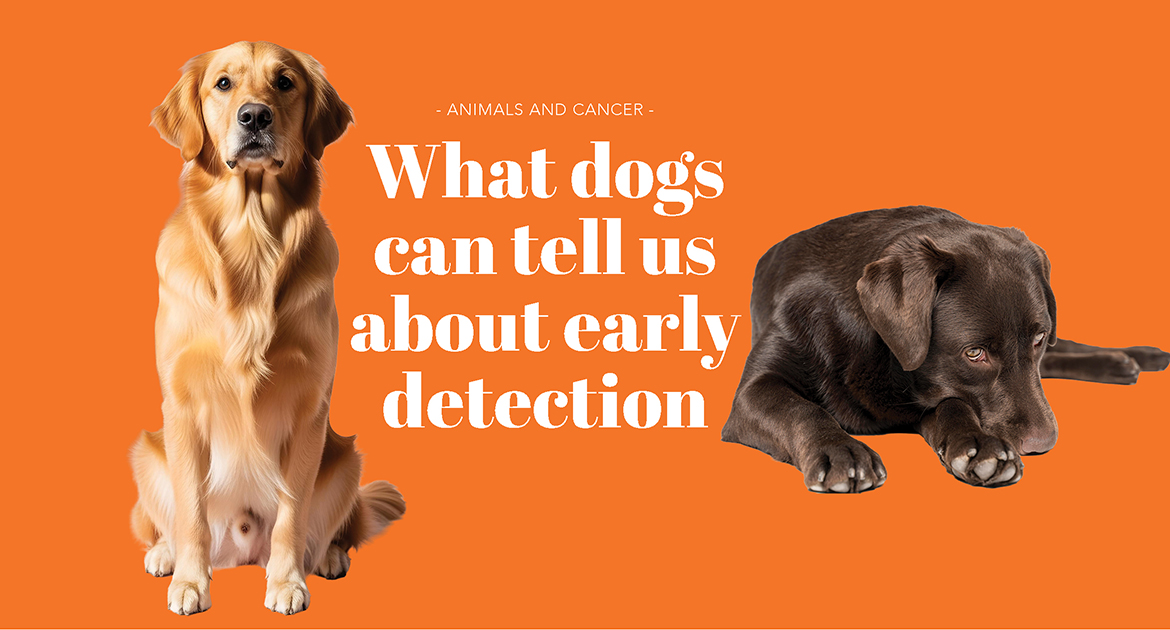
A cancer diagnosis is life-altering, not just for you but also for your loved ones. The journey through treatment is often filled with uncertainty, physical and emotional stress, and in many cases loneliness. While medical advancements focus on combating the disease, an often overlooked source of support comes from an unexpected place: companion animals. The science behind emotional support The psychological and physiological benefits of human-animal interactions…

March 31, 2025 Word for Word Media

Andrew Robson explores cross-species cancer research and how cancer studies in animals contribute to understanding and treating human cancers.

You can listen to this article below, or by using your favourite podcast player at pod.link/oncologybuddies
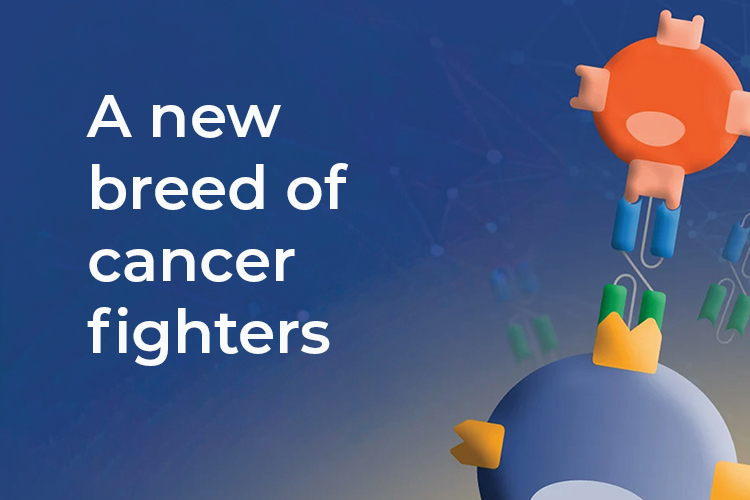
Cancer is a universal challenge that affects humans and animals alike. While often seen as a human disease, cancer also impacts pets and wildlife. This shared vulnerability has opened doors to research benefiting both veterinary and human medicine. By studying cancer in animals, scientists gain insights that drive innovations in diagnosis and treatment across species. Cancer as a shared disease amongst animals and humans Cancer occurs…

February 10, 2025 Word for Word Media

Dr Andrew Robson reviews how dogs are joining in the fight against cancer and are offering the scent of hope.

You can listen to this article below, or by using your favourite podcast player at pod.link/oncologybuddies

In the fight against cancer, the most remarkable breakthroughs come from surprising places. One such innovation involves using dogs and their incredible sense of smell to detect cancer. While this idea may sound unusual, it’s backed by both fascinating stories and solid scientific research. Volatile organic compounds Cancer cells release unique chemicals called volatile organic compounds (VOCs), which have…

January 2, 2017 Word for Word Media

Currently, doctors only use three primary senses to diagnose a patient: hearing, sight, and touch. But, why use three senses when we could be using four? This is where our furry friends come in, adding the fourth sense – olfaction – to help diagnose cancer. In no way is it suggested to replace medical equipment or diagnosis; dogs are simply adding to the equation.

Searching for cancer through volatile organic compounds (VOCs) is a relatively new idea in science, with huge possibilities. Published studies from all over the world are proving accuracy levels that are beyond current available machines’…