

December 1, 2025 Word for Word Media

Cancer changes many things, not only in the body, but in how you think, feel, and connect with food. For many survivors, eating is no longer just about nourishment or pleasure; it may become tied to fear, control, and self-protection. Understanding these emotional shifts is an essential part of recovery and long-term well-being.

You can listen to this article below, or by using your favourite podcast player at pod.link/oncologybuddies


Fear of recurrence:Ā The constant companion Even years after treatment, the fear that cancer might return remains one of the most common psychological challenges among survivors. Studies have shown…

December 1, 2025 Word for Word Media

Movement as medicine With recovery, you must note that movement is medicine. Just like food, exercise supports the body’s ability to heal, regain strength, and restore confidence after cancer treatment. This doesn’t mean you need to sign up for a marathon or join a gym. In fact, for most people, recovery starts with the simplest acts like standing up more often, stretching gently, or taking short walks outside. What matters most is consistency and kindness toward your body as it learns to trust itself again.

You can listen to this article below, or by using your favourite podcast…

December 1, 2025 Word for Word Media

Eating for recovery, strength, and gentle rebuilding Finishing treatment is often imagined as a moment of celebration and relief, and while that is true for many, it can also come with unexpected emotions. Some people say, ā€œEveryone thinks I should feel back to normal, but I don’t feel like myself yet.ā€ Others describe it as stepping out of a storm and suddenly noticing the quiet. Life after cancer is a new phase that also deserves care, patience, and nourishment.

You can listen to this article below, or by using your favourite podcast player at pod.link/oncologybuddies
Relearning…

December 1, 2025 Word for Word Media

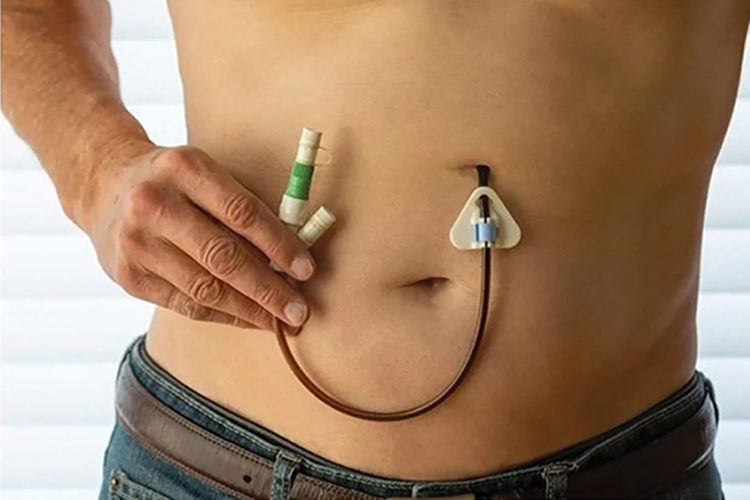
Percutaneous endoscopic gastrostomy (PEG) is a small, soft tube placed through the abdomen into the stomach so that liquid food, water, and medicines can go in easily. It doesn’t stop you from eating by mouth; when you feel able, you can eat orally. Think of a PEG as a backup route for nutrition while your body heals.

You can listen to this article below, or by using your favourite podcast player at pod.link/oncologybuddies

When it is necessaryĀ and how does it work? A PEG is considered when swallowing is unsafe or too painful, or when you’re losing weight…

December 1, 2025 Word for Word Media

Are you newly diagnosed, currently receiving chemotherapy or radiation, or post-treatment/in remission? If yes to any, let’sĀ play a game of Bingo! This tool helps identify those at risk of nutrition issues who may benefit from a registered dietitian’s support.

CONTRIBUTOR

Amy Harrison

Amy HarrisonĀ is a clinical dietitian. Her focus is adult malnutrition andĀ  nutritional managementĀ for critically ill patients. A significant aspect of her work involves supporting oncology patients and providing optimal nutritional support.

RELATED ARTICLES

December 1, 2025 Word for Word Media

Every child with cancer deserves care that nourishes both their physical and emotional needs. Nutritional support is a vital, yet an often overlooked aspect of paediatric oncology treatment. Treatments, such as surgery, radiotherapy, and chemotherapy, increase the child’s energy needs whilst frequently reducing food tolerance and appetite.

You can listen to this article below, or by using your favourite podcast player at pod.link/oncologybuddies

A child may encounter adverse consequences, such as nausea, mouth sores, and taste changes, that contribute to an unfavourable eating environment while their body is fighting infection and undergoing recovery.Ā  TOP TIP Nutritional support should…

December 1, 2025 Word for Word Media

Hormone therapy is one of the most effective treatments for certain breast and prostate cancers that are fuelled by hormones. These cancers are called hormone receptor–positive, meaning the cancer cells rely on hormones, such as oestrogen or testosterone, to fuel their growth.

You can listen to this article below, or by using your favourite podcast player at pod.link/oncologybuddies

Breast cancer In women, oestrogen is mainly produced by the ovaries before menopause and after menopause by other body tissues that convert hormones from the adrenal glands.Ā  Adjuvant hormone therapy (AHT) helps slow or stop the growth of oestrogen-dependent…

December 1, 2025 Word for Word Media

Cancer treatment can be challenging for eating and digestion, contributing to reduced dietary intake and/or weight loss. The goal is to help you maintain your strength, prevent unnecessary weight loss, and make eating feel more manageable. Below are practical, evidence-based tips you can start using right away. Remember, everyone is different, use what works best for you, and speak with your healthcare team for personalised guidance.

You can listen to this article below, or by using your favourite podcast player at pod.link/oncologybuddies

Nausea and vomiting Chemotherapy drugs target cancer cells, but they can also affect healthy cells…

December 1, 2025 Word for Word Media

The emotional gap in oncology When you first hear the wordĀ cancer, your focus understandably shifts to survival mode—treatment plans, chemotherapy, surgery. InĀ this rush toward physical healing, emotional well-being is often sidelined.

You can listen to this article below, or by using your favourite podcast player at pod.link/oncologybuddies

Recent studies show that up to 40% of cancer patients experience significant psychological distress, yet many don’t seek mental health support early on. In SA and similar contexts, accessĀ to psycho-oncology services remains limited, with patients often unaware that counselling is even an option. Patients frequently delayĀ mental health support due to:…

December 1, 2025 Word for Word Media

When treatment begins, mostĀ people naturally focus on the medical side first. The scans, schedules, and results. Nutrition and emotional support often get pushed aside with the thought of ā€œI’ll deal with that later.ā€ But the truth is, seeing a dietitian early on canĀ make your journey feel lighter, more supported, and far less overwhelming.

You can listen to this article below, or by using your favourite podcast player at pod.link/oncologybuddies

Why it helps moreĀ than you think Many people wait until theyĀ lose weight or start struggling with eating before asking for help. But by connecting with a dietitian early…

December 1, 2025 Word for Word Media

In SA, prescribed minimum benefits (PMBs) are protections put in placeĀ to ensure that people with serious conditions, like cancer, aren’t denied essential treatment due to medicalĀ aid limitations. It’s meant to be a form of safety net.Ā 

You can listen to this article below, or by using your favourite podcast player at pod.link/oncologybuddies

What PMBs mean for you? If your diagnosis falls under theĀ PMB list, your medical aid is required to cover certain treatments. ThisĀ  includes chemotherapy, radiation, surgery, and essential oncology visits. It’s your right to ask your medicalĀ aid whether your cancer is listedĀ as a PMB condition….

December 1, 2025 Word for Word Media

Glutamine’s role in gutĀ health and mouth soresĀ  Glutamine is a type of protein building block (amino acid) that your body makes naturally. It’s the most common amino acid in your blood and is especially important for the cells that line your stomach and intestines. These cells use glutamine as their main fuel source to stay healthy and repair themselves.

You can listen to this article below, or by using your favourite podcast player at pod.link/oncologybuddies

During chemotherapy or radiation, your body’s demand for glutamine increases. Treatments can damage the lining of the mouth, throat, and gut, leading…