
Exercise and cancer
Movement as medicine
With recovery, you must note that movement is medicine. Just like food, exercise supports the body’s ability to heal, regain strength, and restore confidence after cancer treatment.
This doesn’t mean you need to sign up for a marathon or join a gym. In fact, for most people, recovery starts with the simplest acts like standing up more often, stretching gently, or taking short walks outside. What matters most is consistency and kindness toward your body as it learns to trust itself again.
You can listen to this article below, or by using your favourite podcast player at pod.link/oncologybuddies
Why exercise matters after cancer
During treatment, the body often loses muscle, bone strength, and stamina. Gentle exercise helps rebuild all three. Moving regularly improves circulation, boosts mood, reduces fatigue, and supports immune function. It can also help manage treatment-related side effects, like stiffness, lymphoedema, and joint pain.
Research shows that survivors who include regular physical activity often report better sleep, improved digestion, and a stronger sense of well-being. Movement releases endorphins which are natural mood-lifters that can ease anxiety and depression, helping you reconnect with life beyond treatment.
Start small, start slow
If you’ve been inactive for a while, begin slowly. Even a few minutes of gentle stretching or breathing exercises can be powerful. As you feel stronger, aim for:
- Aerobic activity – Walking, swimming, or cycling to build endurance.
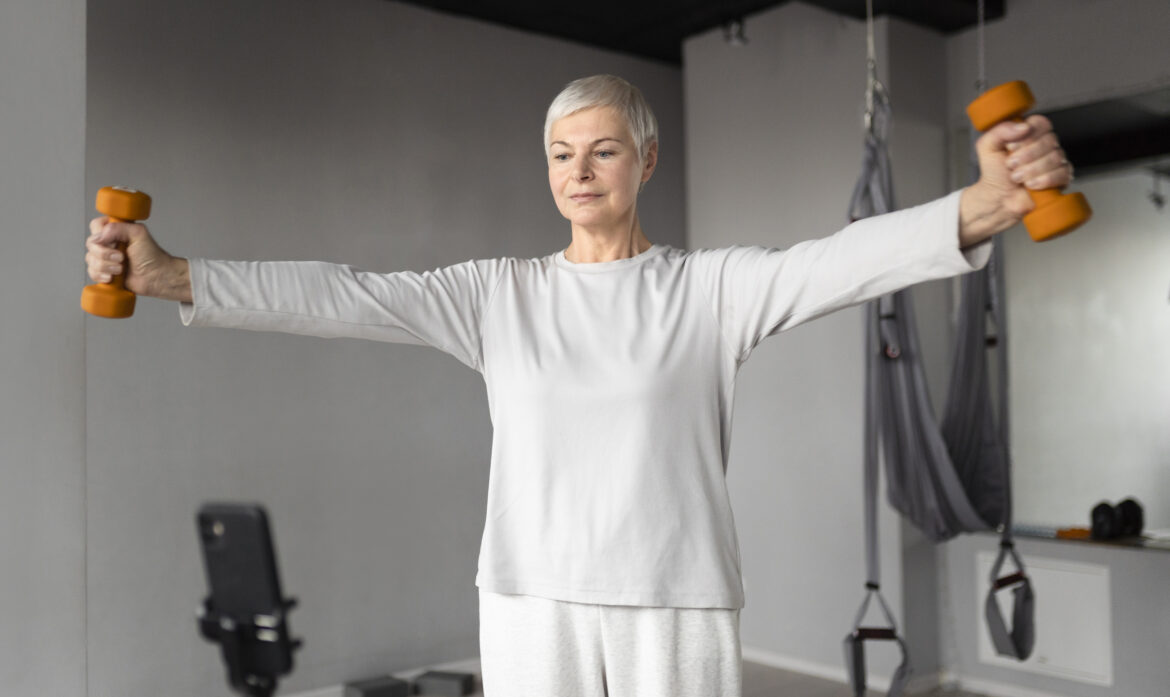
- Strength training – Using resistance bands or light weights to rebuild muscle.
- Flexibility and balance work – Pilates, Tai Chi or yoga to improve posture and reduce falls.
Always check with your doctor or physiotherapist before starting a new exercise routine, especially if you have, bone metastases, lymphoedema, or ports. An oncology-trained physiotherapist or biokineticist can design a safe, individualised plan for your needs.
Overcoming fatigue
One of the biggest barriers to exercise after cancer is exhaustion. Ironically, gentle movement is one of the best ways to fight it. On very tired days, try stretching in bed, walking to the garden, or doing a few minutes of deep breathing. Gradually increase your activity as your body allows. Listen to your limits and rest when needed but keep moving when you can.
The mental benefits
Exercise isn’t just about muscles and joints; it’s also about mood and motivation. Many people feel anxious after treatment ends, worried about recurrence, or unsure how to rebuild daily life. Movement can offer a sense of control and progress. Each step, stretch, or class becomes a reminder that your body is still capable, adaptable, and alive.
Some survivors find group classes or gentle yoga helpful for community support. Others prefer solitary activities like walking in nature or swimming. There’s no single right way. What matters is choosing something that feels good to you.
Moving forward
Think of exercise and nutrition as lifelong partners. Nourishing food gives you the energy to move; movement helps your body use that fuel to rebuild and thrive. Together, they form the foundation for your new normal; one built on strength, balance, and hope.
Recovery doesn’t happen overnight. Some days you’ll feel full of energy; others, not at all. But every small effort counts. Whether it’s a five-minute walk or a full yoga class, every bit of movement helps your body healand your confidence grow.
Your journey doesn’t end when treatment stops, it simply changes direction. Keep nourishing yourself, keep moving gently, and keep believing in your body’s ability to recover and renew itself.
CONTRIBUTOR

Meagan Atcheson is a clinical dietitian, specialising in oncology nutrition and complex clinical care. She focuses on quality of life, managing treatment-related symptoms, and empowering patients through every phase of cancer care with structured yet gentle nutrition guidance.