
How to manage nutrition-related side effects
Cancer treatment can be challenging for eating and digestion, contributing to reduced dietary intake and/or weight loss. The goal is to help you maintain your strength, prevent unnecessary weight loss, and make eating feel more manageable.
Below are practical, evidence-based tips you can start using right away. Remember, everyone is different, use what works best for you, and speak with your healthcare team for personalised guidance.
You can listen to this article below, or by using your favourite podcast player at pod.link/oncologybuddies
Nausea and vomiting
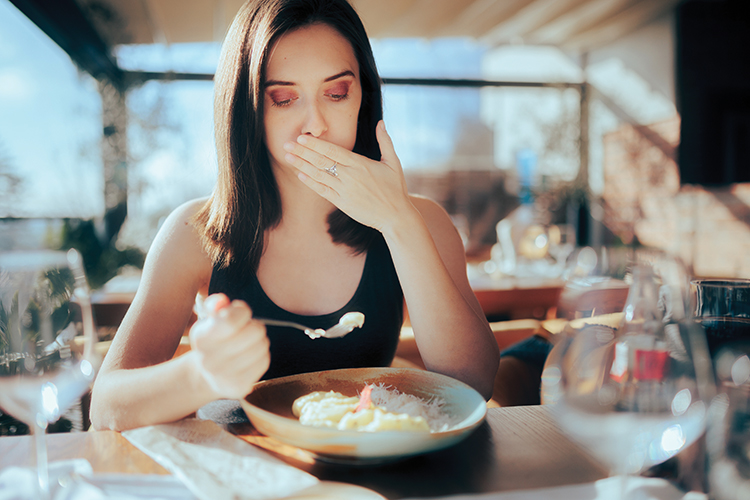
Chemotherapy drugs target cancer cells, but they can also affect healthy cells in your stomach and intestines. This can result in nausea and/or vomiting. Medical anti-sickness (antiemetic) medicines are the first line of defence. Your oncology team will choose these using up-to-date antiemesis guidelines.
If nausea starts, try these helpful tips:
- Small frequent meals. Aim for six small meals or snacks daily instead of three large meals. Example: 2-3 Tbsp of plain porridge or soft bread every 2–3 hours.
- Easy-to-digest bland foods, such as soft white porridge, dry toast, white crackers, plain rice, and mashed potatoes.
- Avoid spicy, fried, or greasy foods.
- Cold or room-temperature foods are tolerated better.
- Cold sandwiches with mild fillings (mashed avocado or cottage cheese).
- Cold fruits, such as peeled apple, melon, or banana slices.
- Ginger tea can be made by boiling fresh ginger root, ginger biscuits, or ginger sweets (Gingerbon).
- Use small volumes, 60–120ml servings of oral nutritional supplements between meals.
Practical tips
Wear loose clothing and stay upright for at least an hour after meals and fluids. Use a straw when drinking for strong smells (less nausea).
Sample meal and snack example
- Early morning: ½ slice dry white toast, mild flavoured jam, and ginger tea.
- Mid-morning: 2 Tbsp white porridge (Jungle Taystee Wheat, Futurelife Smart Food Original, maize meal porridge) with a tsp sugar.
- Lunch: Plain white rice with boiled chicken (no gravy), boiled carrots, a small portion.
- Mid-afternoon: 1 small banana or applesauce with small sips of rooibos tea.
- Early evening: Plain mashed potatoes with 1 tsp butter.
- Late evening: Small serving of plain yoghurt or custard.
Please note this is only for short-term use as it’s not nutritionally complete.
Optimising fluid intake when you feel nauseous
- Sip small amounts of water, rooibos tea, or ginger tea and frequently. Taking small sips every 5–10 minutes is easier than drinking large amounts at once.
- Flavour lightly with cucumber, mint, or a splash of fruit juice to make water more palatable.
- Use ice chips, crushed ice, or ice lollies. They count towards fluid intake and can be easier to tolerate.
- Include high-fluid foods, such as jelly, soups, smoothies, stewed fruit, custard, and yoghurt.
- Try clear broths or mild herbal teas between meals.
Taste changes (dysgeusia)
Taste and smell often change during treatment. Food may seem metallic, bitter, too sweet, or bland.
- Keep your mouth fresh with regular gentle mouth rinses (for example, ½ tsp baking soda and ½ tsp salt in 250ml warm water; spit out). Brush softly with a soft-bristled brush.
- Try marinating meat in citrus-free options like herbs, soya, honey, or ginger, fruit juice, or mild herbs to mask metallic tastes or smells.
- If red meat tastes unpleasant, try chicken, eggs, fish, beans, or dairy for protein.
- Use plastic cutlery if the food tastes metallic.
- If food tastes bland, add gentle flavour with lemon juice, fresh herbs, or mild spices.
- If you dislike the taste of water, flavour it with citrus-free options like cucumber, mint, or diluted fruit juice.
- Let hot dishes cool slightly; choose cold foods (yoghurt, smoothies, egg mayonnaise, cottage cheese, chilled fruit). Heat can intensify strong tastes.
- Many may find that stronger flavours (chutney, pickles) make food more enjoyable; others prefer mild and creamy textures. Experiment and keep a list of safe foods.
Fatigue
Nutrition can’t remove treatment-related fatigue, but it can make it more manageable.
Keep a steady flow of fluids and small protein-containing snacks to avoid energy dips. On extreme tired days, use convenience options without guilt (ready soups, pre-cut fruit, rotisserie chicken, fortified smoothies). Combining nutrition with light physical activity, as you’re able and cleared by your team, can improve energy and appetite.
Sore mouth and oral mucositis
Sore mouth and mouth ulcers can make chewing and swallowing painful.
- Choose soft, moist, smooth, non-acidic foods, such as scrambled eggs, mashed potatoes with gravy, pasta with a creamy sauce, soups, stewed fruit, pawpaw, banana, plain yoghurt, and custard.
- Avoid rough, crunchy, spicy, or acidic foods, such as toast, chips, citrus, tomato-based dishes, vinegar, or fizzy drinks if they sting.
- Add extra sauces, gravies, custard, or cream to increase moisture and kilojoules.
- Eat lukewarm or cool foods; hot foods can increase pain.
- Avoid alcohol-containing mouthwashes, as they can burn and dry the mouth.
- Keep lips moist with balm and sip water throughout the day. If you wear dentures, ensure the fit is checked.
Reflux (heartburn)
Reflux can worsen with some treatments or steroids.
- Eat smaller meals.
- Avoid lying down for at least 2–3 hours after eating, and raise the head of the bed.
- Keep a log of your trigger foods.
- Trigger foods may include: chocolate, mint, fatty or spicy foods, and caffeine.
Diarrhoea
Some chemotherapy, targeted drugs, immunotherapy, and pelvic radiotherapy can cause diarrhoea. It’s important to manage diarrhoea to prevent dehydration and malnutrition.
- Stay hydrated to replace fluid losses. Drink clear liquids (water, flat ginger ale, or electrolyte replacement drinks) for 12 to 24 hours after a sudden bout of diarrhoea.
- To make a homemade electrolyte replacement drink, mix: ¼ tsp of salt, 8 tsp of sugar, 3 Tbsp of orange juice concentrate, and 4 cups of water.
- Drinking clear liquids helps the bowels rest and replaces lost fluids. Examples include rooibos tea without milk, clear non-fat broths, strained pulp-free fruit and vegetable juices, pulp-free ice lollies, jelly, or clear oral nutritional supplements.
- Eat five or six small meals per day instead of three larger meals. Eating smaller meals may put less stress on your digestive system and make it easier for your body to digest food.
- If your diarrhoea gets worse after eating a certain food, stop eating that food until you recover.
- Avoid foods and drinks that can worsen your diarrhoea. High-fibre foods, raw fruits and vegetables, full-fat dairy products, foods and drinks containing caffeine, and spicy or high-fat foods can worsen diarrhoea.
- Choose foods that help manage diarrhoea, like white rice, puffed rice cereal or other low-fibre grains, soft fruits like bananas and applesauce, cooked soft vegetables, and low-fat meats and dairy products.
Constipation
Constipation refers to having fewer bowel movements than usual, having trouble passing stools, or having stools that are hard and dry.
During chemotherapy, it can be caused by the treatment itself, certain anti-nausea or anti-pain medications, changes in diet, reduced physical activity, or decreased fluid intake.
Gentle fibre (if tolerated)
- Use soft, soluble fibre to avoid bloating: oats, psyllium husk, mashed banana, stewed prunes or pears, cooked pumpkin or carrots.
- If appetite is poor, blend fruits and/or vegetables into small smoothies with added yoghurt or milk for energy and protein.
- Prepare gut health jelly: place 3 tsp of psyllium husk into a jar, add 150ml of fresh juice, and add some lime to make it sour. Place into the fridge for 10 minutes. Add to smoothies, oats, or plain yoghurt.
Tips for increasing fibre intake
- Sprinkle high-fibre cereal, flax seeds or a tsp of the gut health jelly to yoghurt, soup, or salad.
- Add ½ cup of pureed cooked sugar beans to a mashed potato.
- Add 1 tsp hummus to mayonnaise.
- Cook stews/curries with legumes, beans, and lentils.
- Add stewed/pureed prunes to oats, smoothies, or yoghurt, or drink 125-250ml of prune juice a day. Note: Large amounts may cause bloating and gas.
Stimulating the bowel without heavy fluid loads
- Small, frequent meals keep the gut moving.
- Warm fluids in the morning (even half a cup) can trigger bowel movement.
- Gentle movement, short walks, or stretching can improve gut motility.
Appetite loss
It’s common for appetite to dip during treatment. Your goal on low-appetite days is to eat by the clock, not by hunger.
- Try six small snacks rather than three big meals. Keep ready-to-eat options on hand: yoghurts, custard, cheese and crackers and/or peanut butter on toast.
- Stay hydrated but avoid overhydrating. Drink fluids between meals rather than with meals to avoid feeling full too quickly.
- Sip on nourishing drinks, such as milkshakes, smoothies, or oral nutritional supplements, if eating enough food is difficult.
- Avoid foods and liquids with strong odours that might worsen your appetite.
- Make food appealing: eat foods at temperatures you enjoy, enjoy your favourite meals, change the time, place, and surroundings of meals.
- Listen to music, eat with others, or enjoy a liked TV show while eating.
- Opt for soft, easy-to-eat foods, such as mashed potatoes, scrambled eggs, smooth soups, smoothies, custards, and fruit purees.
Cancer cachexia
Cancer cachexia is a complex condition involving weight loss (especially muscle), poor appetite, and inflammation. It’s not simply not eating enough, though eating enough remains crucial.
Management is multimodal: early dietitian input, managing symptoms (nausea, pain, constipation), and movement as tolerated. If weight is falling despite your
best efforts, ask for a formal nutrition assessment. Options include fortified diets, prescription oral nutritional supplementation, texture changes for swallowing issues, and, when appropriate, short-term tube feeding to support you through treatment.
Smart nutrition to manage early fullness and weight loss
- Swapping to smaller, more frequent meals is key.
- Limit large drinks with meals; have most fluids between meals so you don’t fill up on liquid.
- Enrich your meals, focus on quality, not quantity:
- Add scoops of protein powder to foods, such as yoghurt, soups, stews, smoothies, porridge, tea, coffee, Milo, Nesquik, custard, flapjack mix, and desserts. This works well with a neutral-flavoured protein powder.
- Use honey, condensed milk or cream to flavour your food, drinks, or coffee.
- Add smooth cottage cheese or mascarpone to cooked starches.
- Add cream, cheese, or mascarpone to cooked sauces and add to meals.
- Add butter to cooked porridge and potatoes.
- Add grated cheese to potatoes and vegetables.
- Add hummus or tahini to mayonnaise.
- Add pureed lentils to gravies and butterbeans to mashed potatoes.
- Add nut butter, and/or powdered milk to breakfast cereals, yoghurt, desserts, smoothies, soups, and cooked starches.
- Use nuts as snacks or sprinkle roasted nuts and seeds over foods like vegetables, yoghurt, and breakfast cereals.
- Add avocado to smoothies.
CONTRIBUTOR

Robyn van der Westhuizen is a clinical dietitian who works at Life New Kensington Rehabilitation Clinic and Life Bedford Gardens Hospital, and runs NutraConnect, her own private practice that supports patients at home, including those needing palliative care during cancer treatment.
References
- Affronti, M.L., Lee, J., Molassiotis, A., Johnson, L., Tinianov, S., Clark-Snow, R. & Scotte, F. (2024) ‘MASCC 2023 Patient-Centered Antiemetic Guidelines and Education Statements: an evidence-based and consensus resource for patients’, Supportive Care in Cancer, 32(6), p. 335. doi:10.1007/s00520-024-08543-x
- Herrstedt, J., Clark-Snow, R., Ruhlmann, C.H. et al. (2023) ‘2023 MASCC and ESMO guideline update for the prevention of chemotherapy- and radiotherapy-induced nausea and vomiting’, ESMO Open, 9:102195. doi:10.1016/j.esmoop.2023.102195
- Molassiotis, A., Zhao, I.Y., Crichton, M., Olver, I., Fleury, M., Giusti, R. & Scotte, F. (2023) ‘Effects of food-based interventions in the management of chemoradiotherapy-induced nausea and vomiting: a systematic review’, Supportive Care in Cancer, 31(7), p. 413. doi:10.1007/s00520-023-07879-0
- Muscaritoli, M., Arends, J., Bachmann, P., Baracos, V., Barthelemy, N., Bertz, H., Bozzetti, F., Hütterer, E., Isenring, E., Kaasa, S., Krznaric, Z., Laird, B., Larsson, M., Laviano, A., Mühlebach, S., Oldervoll, L., Ravasco, P., Solheim, T.S., Strasser, F., de van der Schueren, M., Preiser, J.-C. & Bischoff, S.C. (2021) ‘ESPEN practical guideline: Clinical Nutrition in cancer’, Clinical Nutrition, 40(5), pp. 2898–2913. doi:10.1016/j.clnu.2021.02.005
- Roila, F., Herrstedt, J., Aapro, M. et al. (2016) ‘2016 MASCC and ESMO guideline update for the prevention of chemotherapy- and radiotherapy-induced nausea and vomiting and of nausea and vomiting in advanced cancer patients’, Annals of Oncology, 27(suppl 5), v119–v133. doi:10.1093/annonc/mdw224