
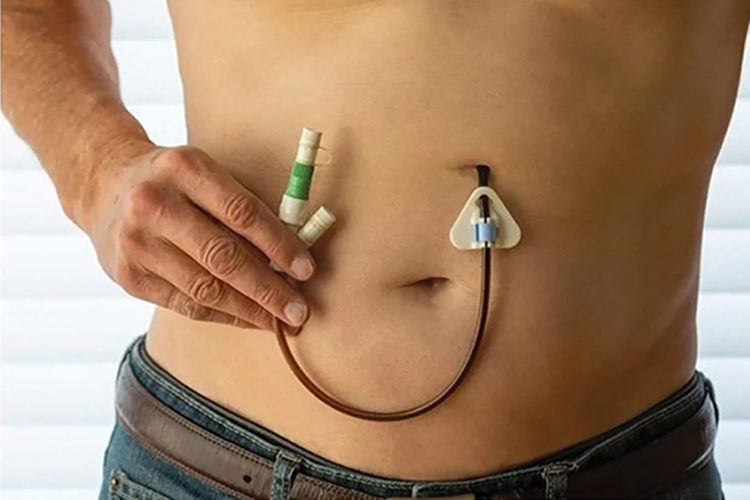
Percutaneous endoscopic gastrostomy (PEG) is a small, soft tube placed through the abdomen into the stomach so that liquid food, water, and medicines can go in easily. It doesn’t stop you from eating by mouth; when you feel able, you can eat orally. Think of a PEG as a backup route for nutrition while your body heals.
You can listen to this article below, or by using your favourite podcast player at pod.link/oncologybuddies
When it is necessary and how does it work?
A PEG is considered when swallowing is unsafe or too painful, or when you’re losing weight and can’t meet your needs by mouth for more than a couple of weeks. This can happen with cancers of the head, neck, and oesophagus, or after major surgery or chemoradiotherapy.
A PEG is preferred for longer-term support (more than four to six weeks), while temporary nasogastric (NG) tubes are often used for shorter periods.
How is a PEG placed?
A gastroenterologist or surgeon passes a flexible camera down the throat to guide placement. The tube is brought out through a tiny cut in the abdomen. The procedure usually takes less than an hour under sedation. You can normally start using the tube within 24 hours. Your hospital team will teach you and your caregivers how to use and clean it.
What goes through the tube?
Ready-made liquid feeds that contain energy, protein, vitamins, minerals, and fluid are used in the hospital setting. Once discharged, you may continue with commercial feeds or transition to a home-blended diet using ordinary foods.
A dietitian will assess individual needs and develop a personalised feeding plan to ensure the right balance of nutrients, safe preparation, and appropriate consistency for PEG feeding at home.
If you can still swallow safely, you can eat and drink by mouth alongside PEG feeding.
Reassurance on quality of life and nutrition
Does PEG feeding help quality of life? Yes, especially when eating has become a daily battle. Studies in head, neck, and oral cancers suggest PEG can better maintain nutrition and reduce interruptions to treatment compared with NG tubes and improves treatment tolerance.
In palliative cancer care, nutrition support (which includes oral nutrition supplements and enteral feeding like PEG) may support comfort and quality of life, particularly when it prevents distressing hunger or dehydration. Decisions are personal and should match your goals and values; your care team will revisit them as your situation changes.
Will I still enjoy food?
If it’s safe to swallow, you can keep tasting and eating what you enjoy.
The PEG can then be used to top up your nutrition, so mealtimes become less stressful. Some people find that once pain, nausea, or dry mouth are better managed, they can increase oral eating again and reduce tube feeds.
FREQUENTLY ASKED QUESTIONS
Will the tube be permanent?
Not necessarily. PEGs can be removed when you’re eating enough by mouth again.
Does a PEG mean my cancer has progressed?
No. A PEG is a support tool, not a sign of disease stage.
We recommend it to protect your strength and help you tolerate treatment. Guidance stresses early nutrition support to prevent or treat malnutrition.
Could a PEG delay my cancer treatment?
Maintaining nutrition often helps you complete treatment on time by reducing weight loss and treatment breaks.

CONTRIBUTORS

Robyn van der Westhuizen is a clinical dietitian who works at Life New Kensington Rehabilitation Clinic and Life Bedford Gardens Hospital, and runs NutraConnect, her own private practice that supports patients at home, including those needing palliative care during cancer treatment.