
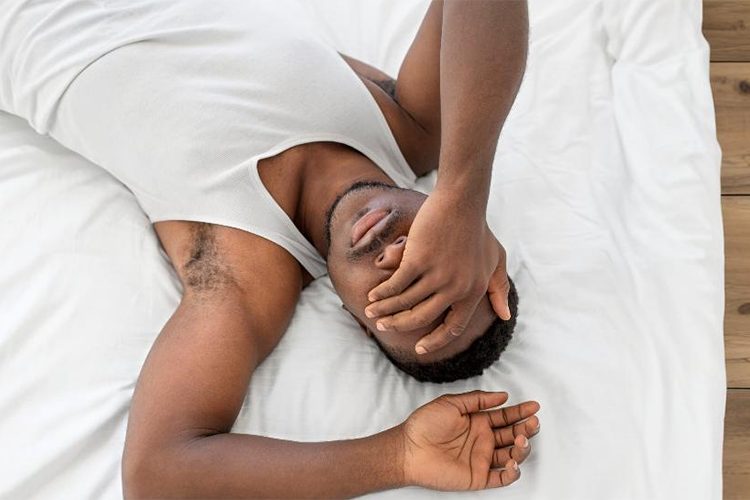
How is your sleep hygiene?
Dr Kerry-Anne Louw advocates healthy sleep hygiene practices to contribute to good physical and mental health.
You can listen to this article below, or by using your favourite podcast player at pod.link/oncologybuddies
Sleep is critical for physical and mental health; both quantity and quality of sleep is important. Sleep difficulties are common and can lead to problems like daytime sleepiness and fatigue, mood changes, and increased risk of injury and illness.1 Suboptimal sleep can impact cardiovascular health, mental and reproductive health, and immunity.2
Sleep can be affected by stress, the external environment, medication side effects, sedative use, caffeine, nicotine and alcohol use, pain, and physical and mental health problems.
If medication side effects, sedative use, pain or physical or mental health problems are affecting your sleep, it’s best to speak to your doctor to get a diagnosis and management plan. Sleeping pills and sedatives should only be prescribed by a doctor in specific circumstances and as part of a wholistic management plan.
Sleep hygiene practices are behavioural and lifestyle habits that can help promote better sleep. Good sleep hygiene practices improve sleep quality and duration.2
Stick to a healthy sleep routine
Stick to a regular sleep routine seven days a week. Keep the same sleep and wake times throughout your week, even on weekends. You only need enough sleep hours to feel refreshed the following day; for most people this is seven to nine hours of sleep per night.
Don’t spend unnecessary time in bed. Your time in bed should be restricted to sleep hours only. Napping can be beneficial for relaxation and fatigue but avoid long and late afternoon naps during the day.3 If you’re going to nap, a 20–30 minute nap in the early afternoon is best.
If you are struggling with insomnia, rather avoid napping. Avoid caffeine, nicotine, and alcohol in the evenings. You should have your last cup of coffee at midday. Alcohol is sedating, and many people self-medicate sleep problems with alcohol, but alcohol use reduces sleep quality and quantity.
If you, or your loved ones, are worried about your alcohol use speak to your doctor.
Exercise regularly and maintain a healthy weight
Fit in exercise daily. The American Heart Association recommends at least 150 minutes of moderate-intensity aerobic activity per week or 75 minutes of vigorous aerobic activity per week (or a combination of both).4
Moderate aerobic exercise increases both the amount of deep sleep as well as sleep duration.2 It’s good to get as much bright light as possible during the day so exercising outdoors during the day is beneficial.
Avoid eating two hours before bed if possible and follow a heathy diet to maintain optimum weight.
Maintaining a healthy weight can help improve sleep.
Manage your sleep environment
Think about how temperature, noise, light, and sleeping surface may affect your sleep environment. Make sure your bedroom is comfortable and free from light and noise. Create a dark, cool and quiet sleep environment. Reduce light exposure in the evening by limiting use of phones and electronic devices one hour before bed. The bed should be for sleeping and sex only. Don’t use the bed for watching TV, reading, studying, or other non-sleep activities.
Target stress and practise mindfulness
Many people who struggle to fall asleep can’t switch off and they ruminate about their worries. Put a calming routine in place in the evenings. Plan some time earlier in the evening for working on your problems or planning the next day’s activities. Have a warm bath or shower about 90 minutes before getting into bed. Don’t read work emails or messages or lose yourself in social media before bed. Don’t clock watch while you’re trying to fall asleep.
If you can’t fall asleep within 30 minutes, rather get up, go into another room, keep the lights dim and do something relaxing like reading a book or magazine, or listening to music until you feel sleepy again. Consider mindfulness practices, there are many online resources to get you started.
Cognitive behavioural therapy for insomnia (CBT-I) is an evidence-based therapy that can help treat insomnia.
References
- Hale D, Marshall K. Sleep and Sleep Hygiene. Home Health Now. 2019;37(4):227–227.
- Baranwal N, Yu PK, Siegel NS. Sleep physiology, pathophysiology, and sleep hygiene. Prog Cardiovasc Dis. 2023;77:59–69.
- Milner CE, Cote KA. Benefits of napping in healthy adults: impact of nap length, time of day, age, and experience with napping. J Sleep Res. 2009;18(2):272–81.
- https://www.heart.org/en/healthy-living/fitness/fitness-basics/aha-recs-for-physical-activity-infographic

MEET THE EXPERT – Dr Kerry-Ann Louw
Dr Kerry-Ann Louw is a consultation-liaison psychiatrist and senior lecturer at Stellenbosch University. She is the Head of Clinical Unit of Adult Psychiatry Services and runs consultation liaison psychiatry services at Tygerberg Hospital.
Header image by Freepik
