

Healing with hyperbaric oxygen therapy
Dr Steph Osborn and Dr Nicola Bodley explain how hyperbaric oxygen therapy can promote healing and improve quality of life for people living with radiation-induced injuries.
What is hyperbaric oxygen therapy?
Hyperbaric oxygen therapy (HBOT) increases delivery of oxygen to the body by providing pure oxygen in an enclosed space with higher-than-normal air pressure. It offers a proven way to address radiation-induced injuries, bringing relief, and restoring quality of life for many.
Radiation-induced injuries
Radiation therapy saves lives in cancer treatment, yet it can leave lasting tissue damage that causes real suffering: pain, dysfunction, and emotional strain long after treatment ends.
Early vs delayed injuries
Early radiation-induced injuries arise within weeks, often from acute inflammation affecting skin, mucosa, or organs like the bladder, leading to temporary pain or irritation that typically improves with time.
Delayed injuries emerge months to years later due to progressive fibrosis (excessive thickening, hardening, or scarring of connective tissue in the body), vascular damage, and tissue hypoxia (when the body’s cells and organs don’t receive enough oxygen to function properly), resulting in chronic, debilitating conditions that profoundly impact daily life.
Common radiation-induced injuries
These late effects are all too common and challenging:
- Head and neck: Xerostomia (severe dry mouth impairing speech and nutrition), dysphagia (painful swallowing), and mandibular osteoradionecrosis (jawbone death causing exposure and infection).
- Pelvic area: Radiation cystitis (bladder pain, bleeding), proctitis (rectal bleeding, urgency), and fistulae (abnormal tracts between organs).
- Skin and soft tissue: Non-healing wounds or skin ulceration and necrosis (uncontrolled, premature death of body tissue or cells).
Surgery in previously radiated areas also carry high risks of poor wound healing, infection, and flap failure due to compromised blood supply. Pre-operative HBOT (typically 20 to 30 sessions) enhances tissue oxygenation, promotes the formation of new blood vessels, and strengthens healing capacity, significantly improving surgical success and should be considered prior to any surgery in a previous radiation field.
How HBOT helps
In a pressurised chamber at 2.4 ATA (equivalent to 14m of seawater), breathing 100% oxygen allows plasma to carry far more oxygen to damaged tissues, up to 2 000 times normal levels. This stimulates new blood vessel growth, reduces swelling and tissue fibrosis, combats persistent infection, and halts the progression of dead or dying tissue, directly countering radiation-induced hypoxia.
What does HBOT treatment involve?
The standard treatment protocol consists of 30 to 40 treatments. Treatments are daily (Monday to Friday) and are 90 minutes in duration. You will never be alone in the chamber; you will be with other patients. This often becomes a sense of community and support.
There is always also a medically trained attendant (paramedic or nurse) inside the chamber. You can either lie or sit comfortably in the chamber. You will experience mild ear pressure as the chamber is pressurised (this is like what you may experience in an airplane and is managed in the same way).
Some people may struggle with confinement or claustrophobia, but trained staff are there to support you. You may be given a mild anti-anxiety tablet if needed.
Reimbursement and referral
You don’t need a referral for hyperbaric oxygen therapy; you can come for a consultation where you will discuss your condition to see whether you will benefit from hyperbaric oxygen therapy. It’s preferred to work together with your oncologist and other specialists.
Hyperbaric oxygen therapy is often fully reimbursed by medical aid and doesn’t come from your oncology benefit or savings; it is funded from your hospital benefits.
MEET THE EXPERT
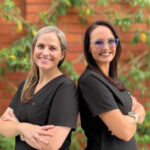
Dr Nicola Bodley (BSc Physio, MBBCH, DA(SA), MMedSc, hyperbaric doctor) has a background in oncology and a special interest in the benefits of hyperbaric oxygen therapy for delayed radiation injuries. She is a qualified medical doctor with a diploma in anaesthetics in addition to her hyperbaric training. She is patient-centred and compassionate and is committed to supporting people throughout their healing journey.
Dr Steph Osborn (MBChB (Tuks), hyperbaric doctor) is passionate about evidence-based hyperbaric medicine, wound care, and patient education. After qualifying as a doctor through the University of Pretoria, she completed her hyperbaric training through Stellenbosch and later training in dive medicine. She provides a holistic approach to care, providing safe and efficacious treatments.

Header image by Freepik