

Icon 2026 Conference
Here is a brief overview of what took place at the Icon 2026 Conference.
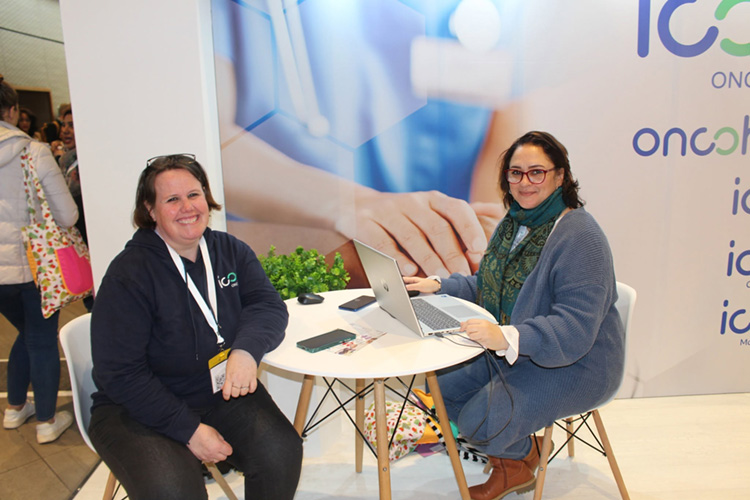
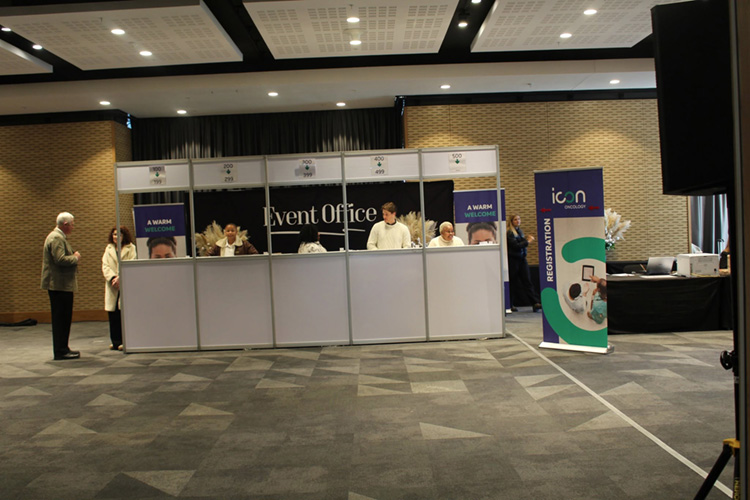
The 8th Icon 2026 conference took place at Century City Conference Centre in Cape Town from 5 to 7 June. This year, the conference focused on Enhancing oncology care in an evolving healthcare landscape: Quality, Innovation, Technology.
The three-day conference was attended by over 500 delegates and had five programmes running simultaneously: oncology; chemotherapy (nurses); administrative staff; radiotherapists and medical physicists; and oncology social workers.
The two international speakers were Dr Lalan Wilfron, Chief Medical Officer of Navista, Cardinal Health’s oncology practice alliance (USA) and Prof Wee Loon Ong, a radiation oncologist subspecialising in prostate cancer care at Bayside Health (Alfred), Latrobe Regional Health, and Barwon Health (Australia).
Trade symposiums
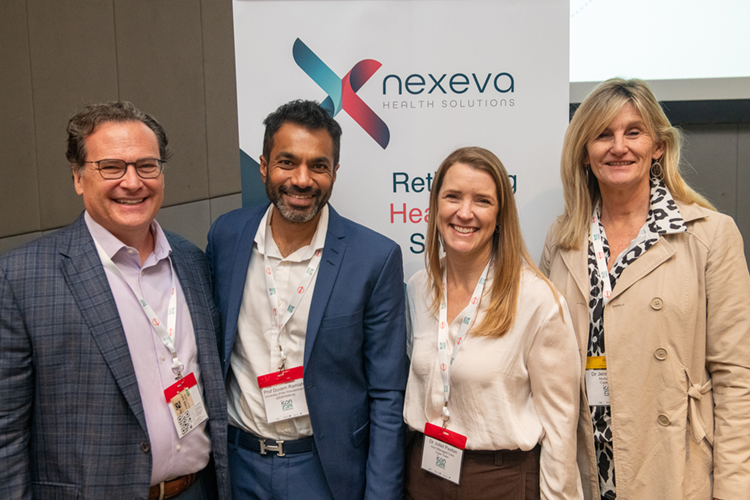
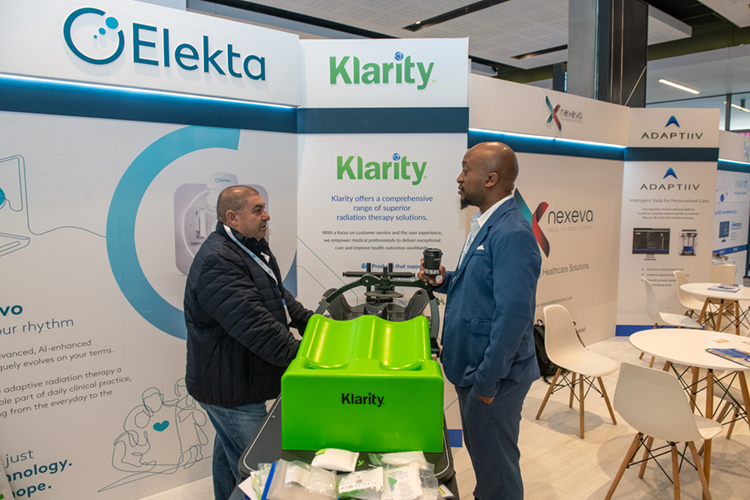
Five trade symposiums were held. The first, sponsored by Nexeva Health Solutions, focused on Elekta ONE Planning: Where speed and precision become ONE. Nexeva is a new South African-based medical technology and healthcare solutions company representing a growing portfolio of international oncology technology and device manufacturers. The interactive Elekta ONE Planning symposium featured William Starbuck, Head of Clinical, PAJ, at Elekta and other expert speakers who showcased advances in its planning software.
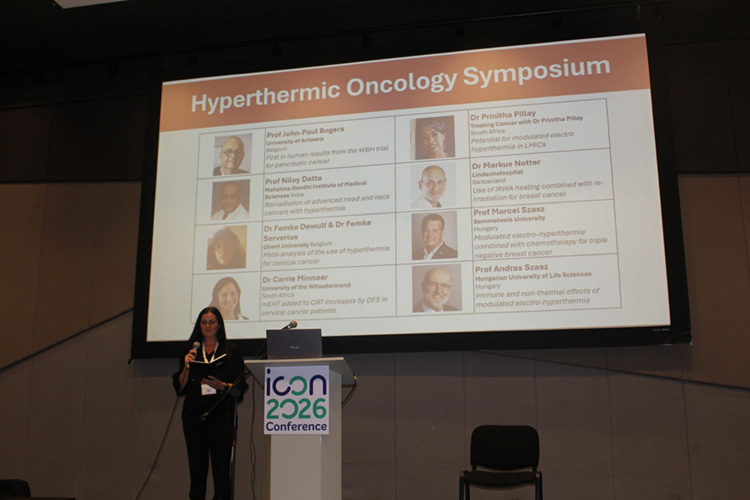
The second symposium, sponsored by ONC-Hyperthermia, brought together some of the world’s leading experts in cancer hyperthermia to discuss the latest advances in this rapidly growing field of Oncologic hyperthermia. Dr Carrie Minnaar, who hosted the symposium, says, “The symposium featured specialists from South Africa, Belgium, Hungary, India, and Switzerland, who shared research and clinical experience on how carefully controlled heat can be used alongside standard cancer treatments, such as radiotherapy and chemotherapy, to improve patient outcomes. The programme covered whole-body hyperthermia for pancreatic cancer, re-irradiation strategies for head and neck and breast cancers, evidence from meta-analyses in cervical cancer, the role of modulated electro-hyperthermia in low- and middle-income countries, and emerging applications in breast cancer treatment.”
“Particular interest was generated by the presentation of South African phase III cervical cancer data demonstrating improved five-year disease-free survival when modulated electro-hyperthermia was added to standard chemoradiotherapy. Another highlight was a presentation by Prof András Szász, developer of the modulated electro-hyperthermia technology, who discussed the growing body of research suggesting that hyperthermia may not only enhance the effects of conventional cancer treatments but may also stimulate the body’s immune response against cancer.”
She continues, “The symposium highlighted the growing international interest in hyperthermia and reinforced its potential to offer new hope for cancer patients, particularly in resource-constrained settings where affordable treatments that improve outcomes are urgently needed. It was inspiring to see experts from around the world sharing knowledge and working together towards a common goal: improving cancer care and giving more patients the opportunity for better outcomes and quality of life.”
MSD sponsored the third symposium; the topic was The evolving role of immunotherapy in the management of head and neck squamous cell carcinoma.
The fourth symposium Shaping the Future of Radiotherapy in SA: Data, Automation, and Clinical Insight was sponsored by RADformation.
The last trade symposium, sponsored by Acino Healthcare, focused on Managing RCC after progression: Translating evidence into practice.
People are still needed
Prof Duvern Ramiah, co-chair of Icon 2026 Conference, says, “This year’s conference theme was Enhancing oncology care in an evolving healthcare landscape: Quality, Innovation and Technology, and the discussions reflected both the opportunities and the challenges facing cancer care today. We heard about remarkable advances in imaging, radiotherapy, systemic therapy, artificial intelligence, and molecular medicine. Yet one message emerged consistently: technology alone does not improve outcomes—people do. The future of oncology will depend on our ability to combine innovation with clinical expertise, compassion, and a healthcare system that remains focused on delivering value for patients. Icon 2026 provided an important platform for those conversations.”
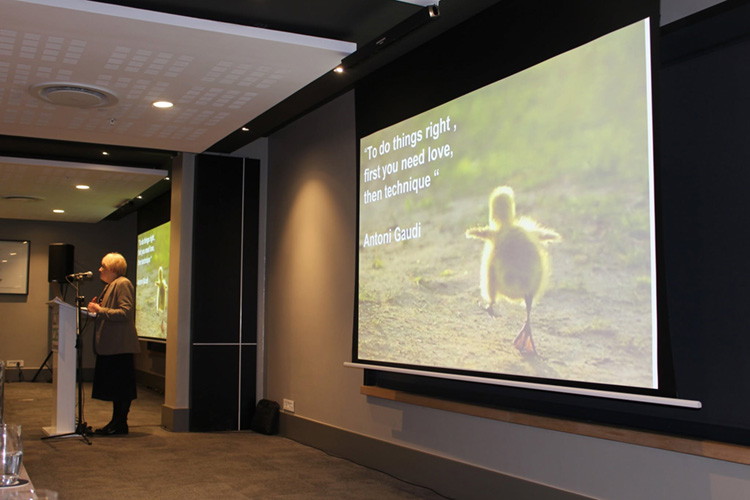
The oncology social worker programme highlighted the value of real people in the cancer care journey with the take-away quote from Antoni Gaudi, “To do things right, first you need love, then technique.”
The chemotherapy programme showed that artificial intelligence is being used in practices to help workflow but ultimately “While AI can process information, it can’t comfort a frightened patient, hold a patient’s hand during difficult news, or provide genuine human understanding. These are qualities that remain uniquely human.”
MEET THE EXPERT

Laurelle Williams is the Editor at Word for Word Media and graduated from AFDA with a Bachelor of Arts Honours degree in Live Performance. She have a love for storytelling and sharing emotions through the power of words. Her aim is to educate, encourage and most of all show there is always hope.
Write me: [email protected]