
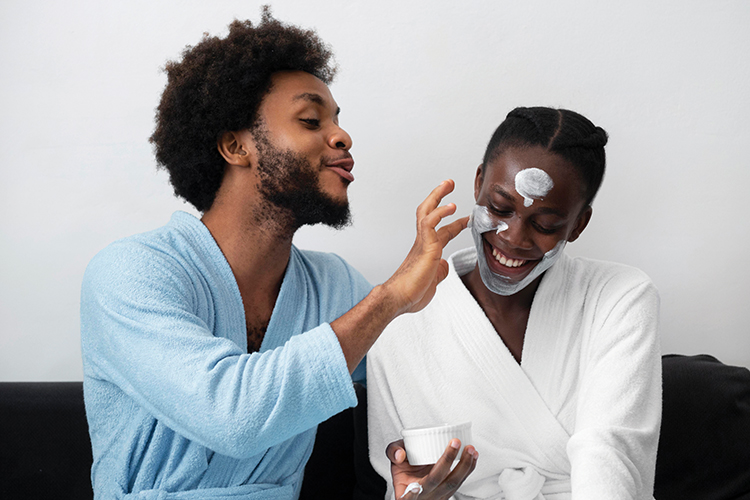
Give your skin a little love
Dr Sarita Retief, an oncologist, explains the effect chemotherapy has on the skin and offers guidance to manage these side effects.
You can listen to this article below, or by using your favourite podcast player at pod.link/oncologybuddies
We are so used to regarding our skin only as an object of beauty, going through great efforts in the never-ending quest to look young for as long as possible. But we forget that our skin is the biggest organ and has several other functions.
The functions of skin
- Protects against micro-organisms, sun, and chemicals.
- Regulates temperature through sweating and constriction of blood vessels. Sweating also excretes waste products.
- Responsible for sensation.
- Produces vitamin D, which is important for calcium absorption and bone health.
- Plays a role in the body’s immune system.
All these functions become vital when you are not well, especially if you should go through treatment like chemotherapy. It’s therefore of great importance to always keep your skin healthy to be able to function at its best.
How does cancer treatment affect your skin?
- Your skin can become dryer and prone to itching. This is because cells that produce oils to keep your skin moist are also damaged during treatment.
- Some chemotherapy drugs can cause different types of rashes.
- Your skin becomes more sensitive to sunlight. This increases your risk of sunburn.
- Skin colour can become lighter or darker. This is not dangerous and is reversible when treatment is stopped.
- Nails can also become discoloured, brittle, and develop ridges.
- Some chemotherapy drugs cause hand-foot syndrome. This causes swelling, redness, pain, and even sometimes blisters on the hands and feet.
- Several chemotherapies can damage your sensation. This can be temporary or sometimes more permanent.
Tips for taking care of your skin during chemotherapy
- Use a mild fragrance-free moisturiser on your skin several times a day.
- Ensure adequate fluid intake.
- Avoid extreme hot showers and baths that can dry out your skin even more. Rather use lukewarm water.
- Only gently pat your skin dry. Rubbing with a towel can irritate the skin.
- Protect your skin from sunlight by using at least SPF 30 and wearing protective clothing.
- Use only mild fragrance-free soaps and detergents.
- Be aware that your sensation might be less. Be very careful not to damage your skin without noticing it.
- Check your skin, especially your feet, regularly for any damage. Wear soft closed shoes to protect your feet.
Remember that chemotherapy affects skin differently in all patients. It’s important to discuss any concerns you have with your treating doctor. It might be necessary to adjust the dosage of your treatment or prescribe specific ointments or medication to help you cope with side effects.
MEET THE EXPERT

Dr Sarita Retief is currently working as a clinical and radiation oncologist at Nelspruit Mediclinic in the private sector. She completed pre- and postgraduate studies at the University of the Free State.
Header image by Freepik
Visit the NEW Big C Survivor's Guide!!
