
What is the Whipple procedure?
Dr Leanne Prodehl explains the intricate process of the Whipple procedure.
You can listen to this article below, or by using your favourite podcast player at pod.link/oncologybuddies
A Whipple procedure, also known as a pancreaticoduodenectomy, is a complex surgery removing multiple abdominal organs. The procedure, first described in the 1930s and refined in the 1940s, is named after the surgeon who described it.
The pancreas has two main functions: hormonal and digestion. One of the primary hormonal functions is control of blood glucose. It secretes insulin when the glucose is high and glucagon when it’s low. The pancreas also produces and secretes enzymes crucial for digesting food, such as fats, carbohydrates, and proteins.
What does a Whipple entail?
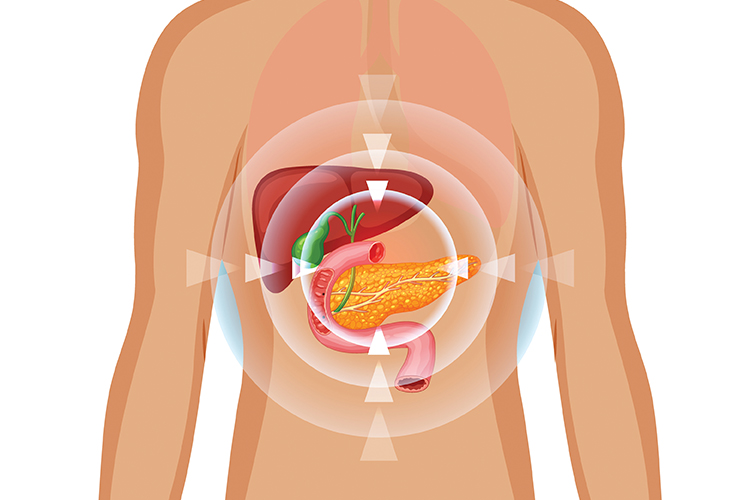
A Whipple involves removing the head of the pancreas, duodenum (first and shortest section of the small intestine), lower bile duct, gallbladder, and often part of the stomach.
The surgeon then performs about three anastomoses (joins) to restore gut continuity. The surgery is complex and can take many hours.
It’s usually done via an open approach with a cut on the abdomen but can also be done laparoscopically or robotically. While most surgeons are taught about a Whipple, it’s usually done by surgeons who have sub-specialised in hepatopancreaticobiliary surgery.
When is a Whipple procedure needed?
The main indication for a Whipple is cancer. The most common being a cancer of the head of the pancreas; the others being cancers of the ampulla of Vater, bile duct, duodenum, and stomach. Less commonly Whipples are done for non-cancerous conditions, such as chronic pancreatitis or benign lesions, such as a solid pseudopapillary neoplasm.
Some benign conditions, such as intraductal papillary mucinous neoplasms, may have high risk features for becoming malignant and these also warrant surgery.
The disadvantages
The main concern about the Whipple procedure is the associated high mortality and morbidity. Despite advances in surgery, the mortality remains at 2–5%. This is part of the rationale for high volume hospitals where outcomes are better.
The main complications are:
Pancreatic fistula – A leak from the join-site can lead to infections and bleeding.
Delayed gastric emptying – This is where the stomach is slower than usual to digest food, limiting oral intake.
Bleeding – There are many major blood vessels involved in the surgery and bleeding can occur and may need re-operation.
Bile leak – This is less common than a pancreatic leak and is related to the biliary anastomosis.
Infections – All surgeries on the gastrointestinal tract have a risk of infection. In the Whipple, this is higher if the patient was jaundiced and needed drainage prior to surgery.
In the long-term, diabetes and pancreatic enzyme insufficiency are common. Most people who have had a Whipple need to be on pancreatic enzyme replacement. Depending on how much stomach was removed, patients may need to eat smaller, more frequent meals.
Intense review beforehand
The decision to proceed with a Whipple is not taken lightly and involves review of both the tumour and patient. Involvement of the major blood vessels around the tumour may make it unresectable or may require chemotherapy before surgery. The surgery is usually not done unless all the cancer is expected to be removed.
A patient’s fitness and nutrition are also important considerations for both surgery and recovery. Surgeons may recommend nutritional and physical pre-habilitation prior to surgery.
Most people will spend one to two weeks in hospital with the immediate post-operative period in ICU. The recovery even once home can take some time with fatigue and weight loss being the main symptoms.
Holistic care team
The care of patients undergoing a Whipple is multi-disciplinary and involves doctors, such as the surgeon and oncologist, dietitians, physiotherapists, and social and psychological support. Candidates for Whipples should be discussed in multi-disciplinary team meetings as part of their cancer care.
Despite the risks associated with a Whipple procedure, it’s often the only way to achieve cure as chemotherapy and radiation on their own are unlikely to result in cure. There have been multiple advances in surgical techniques, equipment, and care post-operatively. The number of people globally who have had successful surgery number in the tens of thousands.

MEET THE EXPERT
Dr Leanne Prodehl is an upper gastrointestinal and hepatopancreaticobiliar surgeon at Charlotte Maxeke Johannesburg Academic Hospital with a special interest in oesophageal cancer and multi-disciplinary teams.
Header image by Freepik
