
The unspoken long-term the side effects of childhood brain cancer
With May being Brain Cancer Awareness Month, Bonni Suckling highlights the effects of childhood brain cancer treatment and how the journey never really ends.
You can listen to this article below, or by using your favourite podcast player at pod.link/oncologybuddies
When my son, Jed, was diagnosed with brain cancer, I learned that the aftermath of cancer treatment is an ongoing challenge, faced outside the sterile walls of a hospital and within the everyday world where the trauma of treatment isn’t always visible.
Writing an article about the long-term side effects of childhood brain cancer treatment for educational purposes proved difficult, as Jed only survived for three years. Disclaimer: I would have taken on ALL the long-term side effects for one more day with my son.
The physical toll
Radiation and chemotherapy prolonged my child’s life, but they also left lasting physical reminders. Doctors warn about potential side effects, but they rarely talk about the aftermath of patchy hair loss from high doses of radiation—not just during treatment, but sometimes permanently. Perhaps patchy baldness is the least of their concerns.
Then there are the steroids, particularly dexamethasone, which can cause rapid weight gain, mood swings, and an insatiable appetite. I remember wanting to make a shirt that read, “My son is not a brat, he is on dexamethasone for brain cancer.” He was fat from eating; his moon face was just another side effect. His skin was full of stretch marks—did people think I was overfeeding my son?
The judgment from other parents, teachers, and even strangers can be relentless. They saw my son acting out but didn’t understand the chemical hurricane raging inside him.
The social struggles
For many childhood cancer survivors, returning to school presents new difficulties. Kids can be cruel, and a child who looks different, walks differently, or struggles academically due to treatment-related brain damage often faces exclusion.
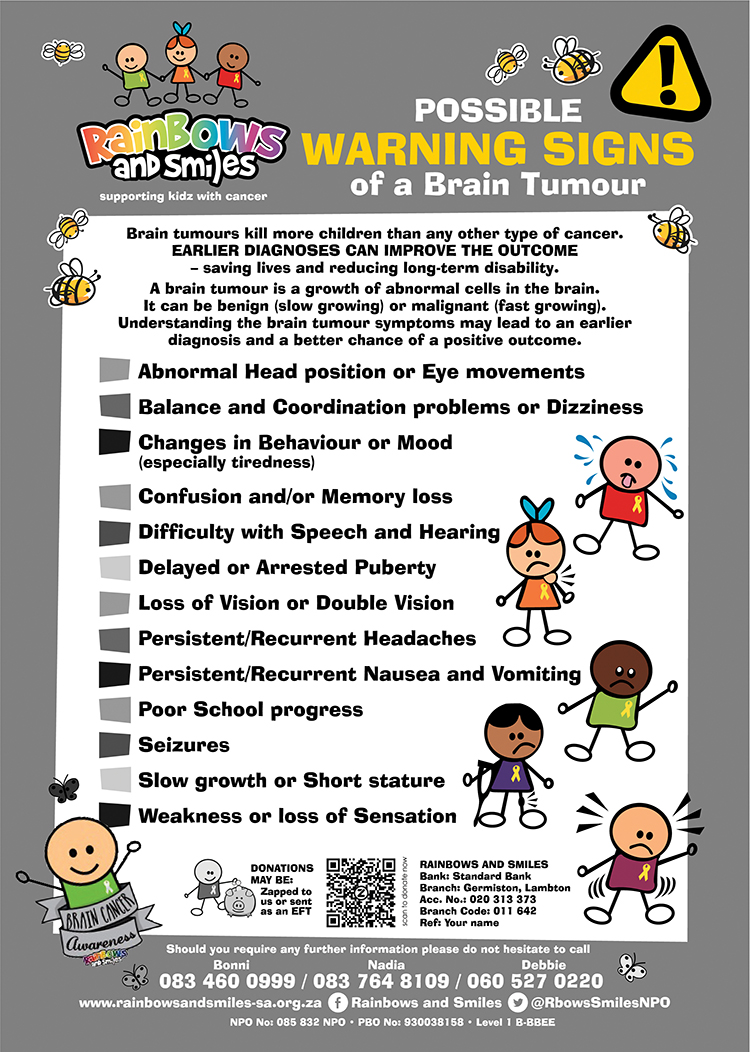
Bullying is one of the silent side effects no one warns you about. Some children face cruel whispers, stares, and outright exclusion from kids who do not understand their experience. Even well-meaning family and friends do not always grasp the full extent of the struggles your child faces. The expectation is often that everything is going to be okay and that your child will bounce back. People fail to acknowledge the cognitive and emotional toll cancer takes—not everyone, but some.
Developmental and cognitive challenges
Radiation and chemotherapy don’t just target cancer cells; they affect everything, including brain development. Many parents find themselves navigating unexpected learning disabilities, memory problems, and even slowed physical growth.
Doctors’ priority is often survival, but they don’t always have the time to explain that your child might struggle with basic math, have difficulty concentrating, or fail to keep up with their peers.
For some, hormonal imbalances caused by treatment mean they grow at a much slower or faster rate than other kids their age, leading to yet another layer of emotional distress.
Trigger alert: Apple Cider Vinegar series
As if the daily struggles weren’t enough, parents of childhood cancer survivors were blindsided by Netflix’s Apple Cider Vinegar, a series in which the protagonist fakes brain cancer for attention. Belle Gibson’s story felt like a slap in the face.
Watching someone trivialise an illness that took so much from our children was infuriating. For survivors, it was a painful reminder of their trauma, and for parents, it was a gut-wrenching realisation that some people will never understand the reality of what we live through.
A call for awareness and compassion
Surviving childhood brain cancer is about more than just overcoming the disease; it’s about navigating the unseen, lifelong challenges that follow. Parents are left piecing together support systems, advocating for accommodations in schools, and helping their children build confidence in a world that often doesn’t understand them.
JB and Katherine
To fully write this article from a place of understanding, I reached out to parents whose children are long-term childhood brain cancer survivors. One of them is Judith Botha (JB), whose daughter Katherine had surgery and radiation for a schwannoma brain tumour.
JB shaved Katherine’s hair off for surgery, and radiation later caused bald spots. This affected Katherine’s confidence. But the hardest part of dealing with a child with a brain tumour, she told me, is that it’s an invisible cancer. People see Katherine, and she looks healthy—her hair has grown back—but she is delayed academically.
Due to the type of treatment she had, she is overweight, and people forget that not all cancer can be seen. Katherine also wears glasses, and children can be mean. She was bullied at school, forcing JB to home-school her in those early years. Now, she has settled into a school that caters to her special needs. Though her eyesight is very poor, and she struggles to grasp concepts quickly, JB is so proud of her daughter and grateful that she is alive. Being a single mother, JB has been fiercely protective of her children—they are her world.
Bridgette and Ian
Another parent I spoke to is my dear friend Bridgette, whom I met in 2018 through the brain tumour community. Her son, Ian, was diagnosed with the same nasty tumour as my son (an aggressive anaplastic astrocytoma) at just 14 months old. Doctors gave him only months to live. But Ian defied the odds. He is eight years old now; a miracle, a child who continues to rewrite the statistics that tried to define his fate. I hope Jed is watching over Ian and keeping that cancer away.
Bridgette told me that Ian is bullied and teased. Children have called him a monster because of his squint. At first, he thought they were just playing, but as he has grown older, he understands now; they are being cruel. He dreads school so much that he sometimes urinates out of fear. He hides away, spending much of his time alone, his small heart carrying more pain than any child ever should. Children throw sand at him. They exclude him. They do not see him for the incredible, resilient soul that he is. Ian is a sad little boy, trapped in a world that does not understand the silent scars of his brain tumour.
We cherish him. We love him. And we wish, more than anything, that we could take away his pain.

MEET THE EXPERT
Bonni Suckling is the founder of Rainbows and Smiles Foundation. In 2022, she completed her Paediatric Post Grad Diploma, a testament to her dedication to improving paediatric healthcare. She has played a pivotal role in establishing paediatric palliative care support groups, offering solace and guidance to families. She is also a gym instructor and endurance athlete.

Grey is the ribbon for Brain Cancer Awareness – wear it in May for the children in treatment, the survivors carrying unseen scars, and those who will always be remembered.
#GoGreyInMay
Header image by Freepik